Mike White’s White Lotus remains bona fide Watercooler TV, but the satire it has become known for falls flatter than ever in an uneven Season 3 that threatens to promote what it intends to criticize.
Unknown Knowns: Myth and American Memory in “A Complete Unknown”
The new biopic of Bob Dylan fails to elevate itself above the limits of its genre, primarily by leaving a complex political and historical figure all too well known.
The White Man’s World of the Wild West Survives
Chapter 1 of Kevin Costner’s Horizon: An American Saga was a box office failure, but the cowboy masculinity it portrays helps to explain Trump’s victory.
Barbie Through the Decades: A History of Barbie, Feminism, and the New Barbie Movie
Barbie has been breaking barriers for over 60 years—but can she be characterized as a feminist?
Gaslit Zeroes in on Loyalty to Nixon, But Not Nixon’s Crimes
Gaslit is at its best when it ruminates on presidential power, showing viewers how loyalty can lead to criminality. The show's individual stories are fascinating, but they often obscure Nixon's guilt, along with the social movements of the period.
Christmas Films as Reflections of American History, Part III: Perfecting the Paradigm from the 1990s to the Present
An exploration of Hollywood's eclectic Christmas film history, surveying developments from the 1990s through today.
Christmas Films as Reflections of American History, Part II: Stop-Motion, Action, and Horror in the 1960s, 70s, and 80s
An exploration of Hollywood Christmas film history, including children's, horror, and action movies from the 1960s to the 1980s.
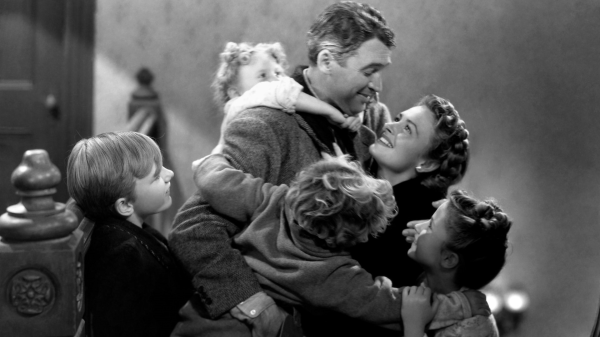
Christmas Films as Reflections of American History, Part I: Dickens, Romance, and the US Military in the 1940s and 50s
An exploration of Hollywood's eclectic history of Christmas films, starting with postwar Dickensian adaptations and Cold War romances.
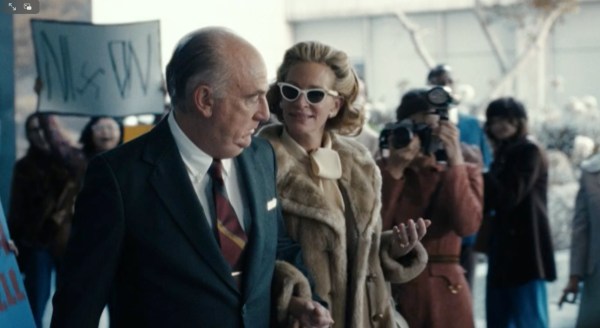
Hulu’s Mrs. America and the Real History of the Battle Over the ERA
What can Mrs. America tell us about the historical context of the battle over the Equal Rights Amendment? Where does it shine and where does it fall short? And what should we take away from the show, and its real history, to better understand our present?