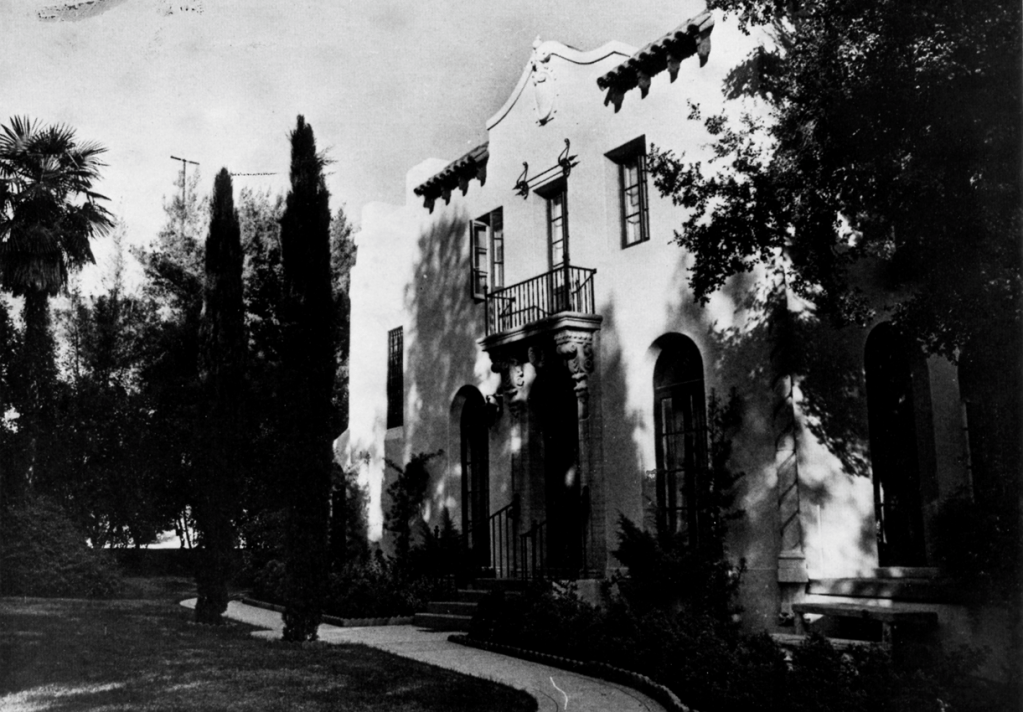
Despite a renowned career as a writer and activist, Upton Sinclair lacks a museum in his honor. His home in California would make an ideal house museum. His biographer reflects on Sinclair's legacy, the importance of public history sites, and the role of historic homes in shaping public memory.
Rewriting the Past in Public: Historical Commissions and Public History
Historical commissions function as state-sponsored public history initiatives that negotiate contested national pasts.
Using Digital Archives to Engage Students, Part II: Accessing and Using Sensitive Material Online
Ethical access to digital archives includes issues of privacy, sensitive content, and ethical representation of marginalized communities. This piece examines nine digital archives and their attempts to navigate ethical issues.
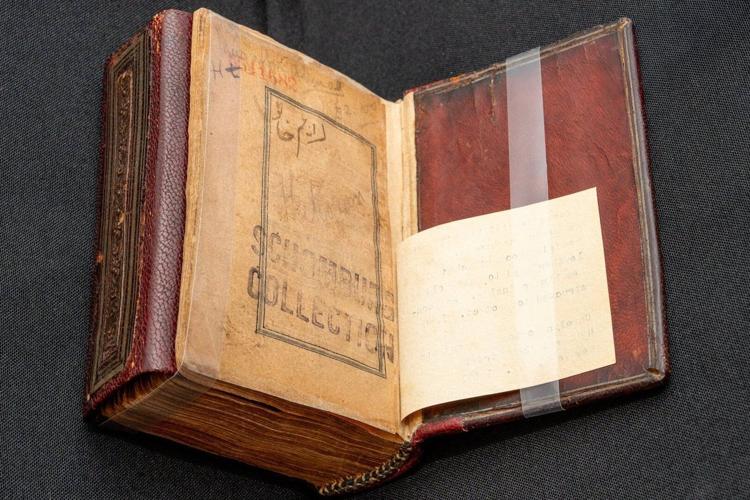
Mayor Mamdani, the Schomburg Collection’s Qur’an, and Schomburg’s Vision of Afro-Diasporic History
Mayor Mamdani’s use of a Quran from Schomburg’s collection [...] embraces the Afro-diasporic history and identity that Arturo Schomburg strove to create through his archive-building and auto/biographical writing.
“Making New History” with Old Tools: The Coloniality of Method in (Post-)Colonial Historical Commissions
Even well-intentioned efforts at historical reckoning can reproduce epistemic harm when they rely on unexamined disciplinary assumptions.
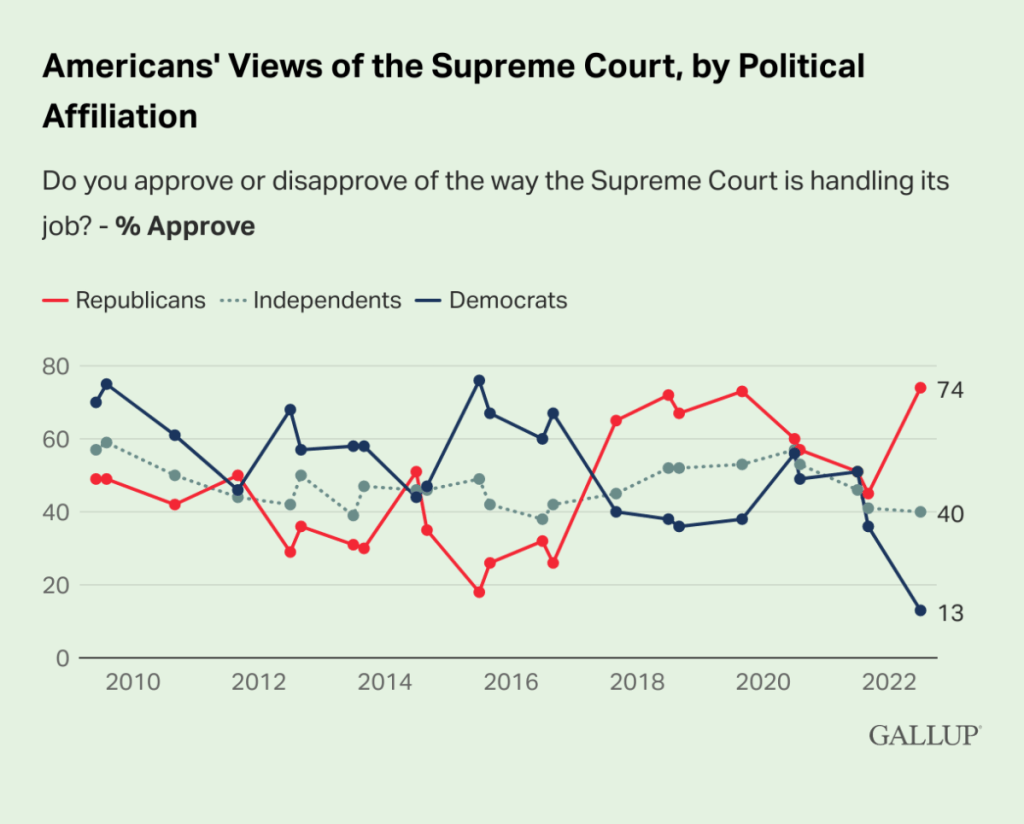
The Supreme Court’s Not-So-Uniquely Conservative Term
The United States has almost always been a very politically divided nation. Conservative majorities on the Supreme Court are mistakenly viewed as unique to recent years, but they are really the norm in American history. So too is political polarization the norm.
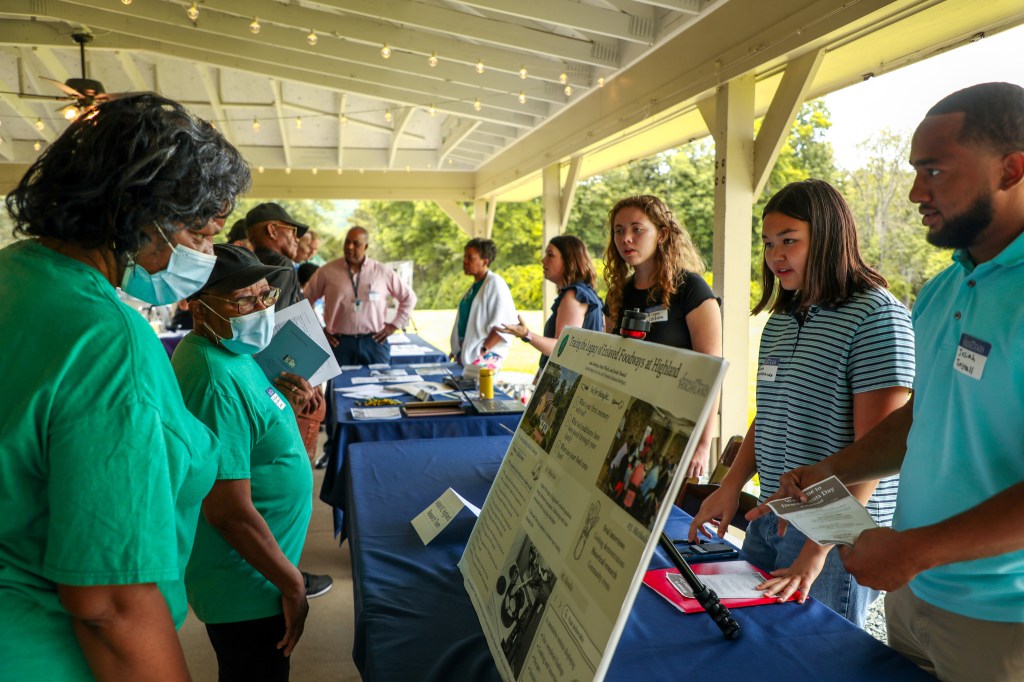
Engaging Different Communities of Stakeholders at James Monroe’s Highland
Working at a public history site is a reminder that no community is monolithic or similar-minded. Even at James Monroe's Highland more localized communities are composed of diverse needs, questions, and missions.
Legislative & Public Policy Research for Local Government
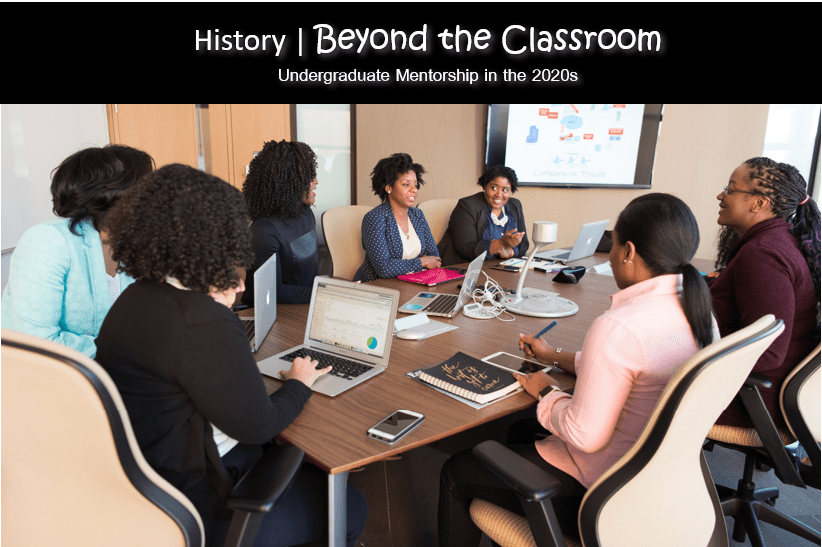
The historian's training prepares them for diverse career paths, but departments must better relate the component skills of historical research to the responsibilities of non-academic professions.
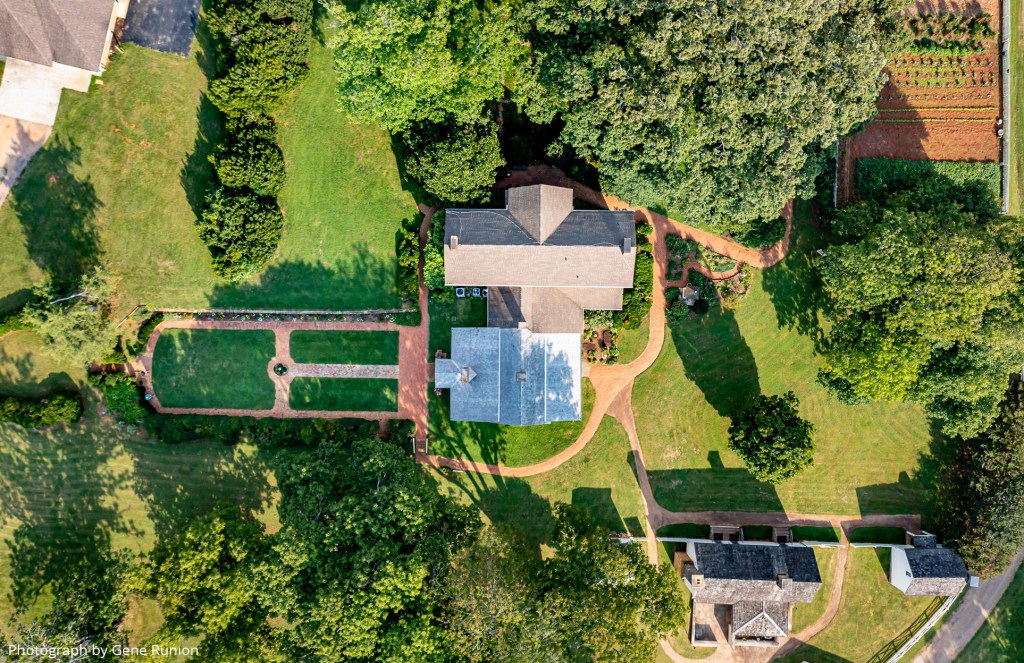
Reinterpreting James Monroe’s Highland
We are always learning new things about the past, and that's good. As we learn more, we are also obligated to share these new discoveries to our public. That is currently what we are doing at James Monroe's Highland: telling new, more truthful stories about a place with a complicated historical and institutional history.
Business of History—Syllabus
The Business of History syllabus challenges students to merge the often creative, open-ended nature of academic inquiry with the outcomes-oriented and deadline-driven world of business.