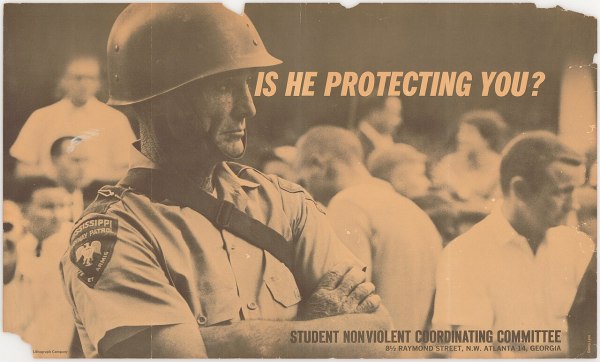
The United States must confront the truth about its history in classrooms and in public—parks, museums, and government websites.
Mayor Mamdani, the Schomburg Collection’s Qur’an, and Schomburg’s Vision of Afro-Diasporic History
Mayor Mamdani’s use of a Quran from Schomburg’s collection [...] embraces the Afro-diasporic history and identity that Arturo Schomburg strove to create through his archive-building and auto/biographical writing.
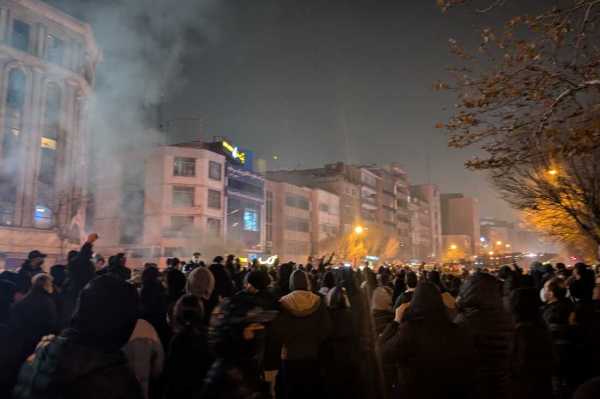
Casualty and Legitimacy: A Post-1979 Perspective on Iran’s 2026 Mass Violence
Iran’s late 2025 protests, triggered by economic collapse, were met with mass killing and an internet blackout that made casualty verification a central political struggle. This “politics of counting” is situated in a recurring post-1979 pattern rooted in the regime’s institutional dualism and coercive capacity.
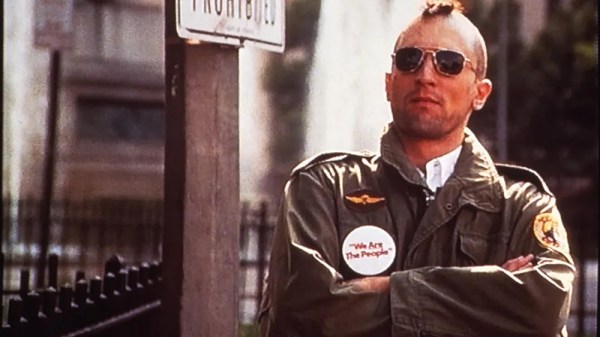
“Something of a Hero”: 50 Years Since the Taxi Driver
This month marks the 50th anniversary of Martin Scorsese's Taxi Driver. Like many Vietnam War-era films, Taxi Driver contains historical truths but also reinforces deeply problematic myths about veterans, homecoming, and trauma.
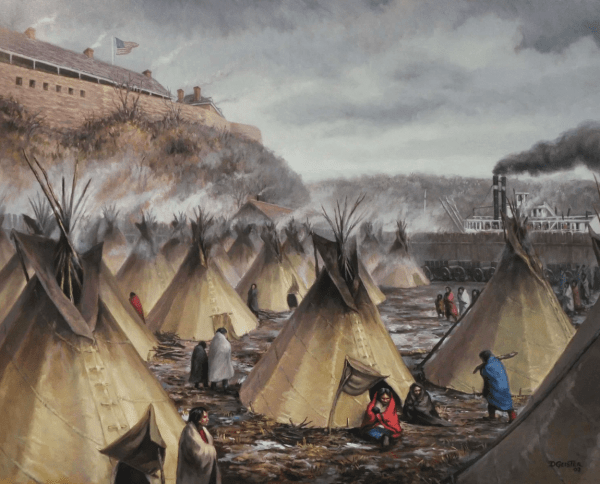
A Continuum of Federal Violence: A History of Indigenous-US relations in Minnesota in the Wake of the Murders of Nicole Renee Good and Alex Pretti
Federal immigration violence against Minnesotans in January 2026 echoes the historic federal violence committed against Minnesota’s Indigenous peoples in the nineteenth century.
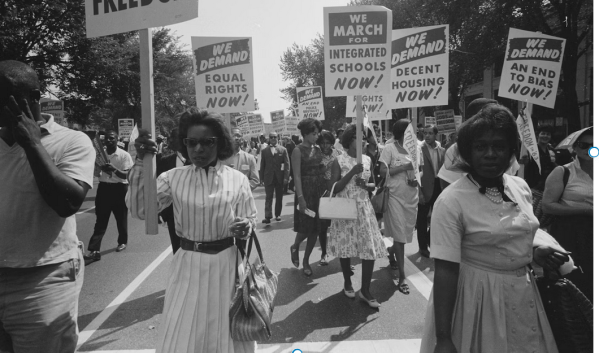
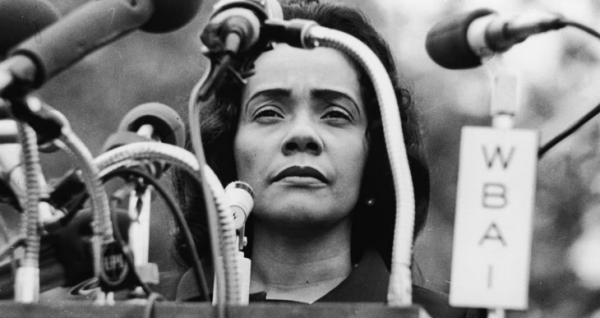
“I Was Called, Too:” The Life and Work of Coretta Scott King
In honoring Dr. Martin Luther King Jr.’s legacy, it is both appropriate—and overdue—to discuss the significance of Coretta Scott King. When Coretta declared, “I was called, too,” she insisted we remember her not as a shadow of her husband, but as an equal.
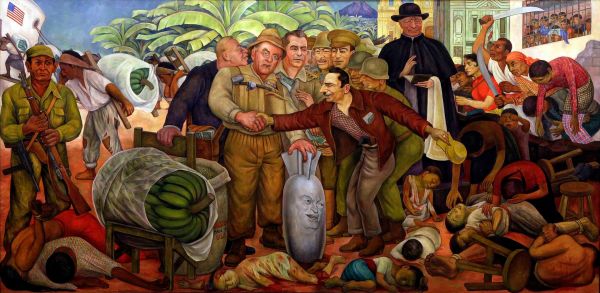
Understanding Trump’s Donroe Doctrine on Venezuela: What the Progressive Era Teaches us about US Imperialism
While the history of Cold War intervention rightly shapes international responses to Nicolás Maduro’s kidnapping, the emphases of US policymakers today are more in line with those of the early 20th century, especially the aftermath of Cuban independence from Spain and President Wilson’s occupation of Haiti.
What the Wreck of the Edmund Fitzgerald Can Teach Us Fifty Years Later
Fifty years ago the ore freighter Edmund Fitzgerald sank in a Lake Superior storm. But more than the “gales of November” wrecked the Fitz. The ship was also the casualty of a globalizing neoliberal order which wrecked the American industrial economy.
The “Thrilla in Manila” at 50: A Retrospective on Muhammad Ali, Joe Frazier, and the Power of Their “Calculated Blaze”
At the 50th anniversary of the fight, the “Thrilla in Manila” emerges as not only the story of two extraordinary boxers’ pushing themselves to their physical limits, but also embodies creativity and entrepreneurship within the African American community, as well as a climactic event in the history of American sports in the 1970s.
“Are you now or have you ever been a member of the Tom Hanks fan club?”: Modern McCarthyism in America
Recent attacks on Tom Hanks and American universities highlight parallels between 2025 and the McCarthy era. But our moment has something the Cold War Red Scare didn't: the benefits of hindsight and mass resistance.