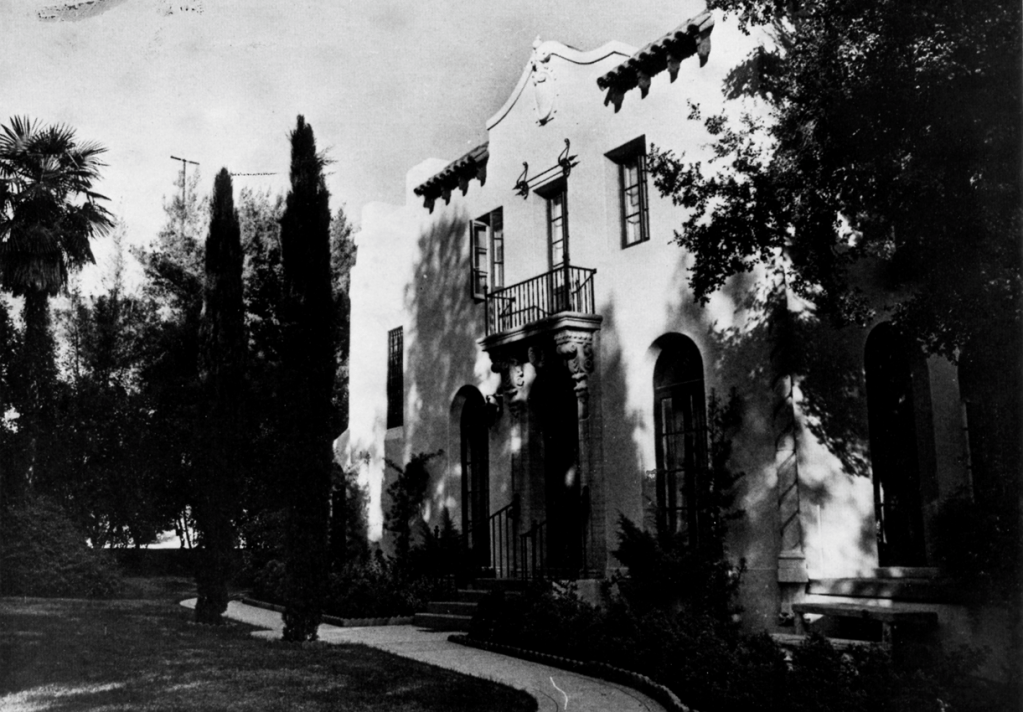
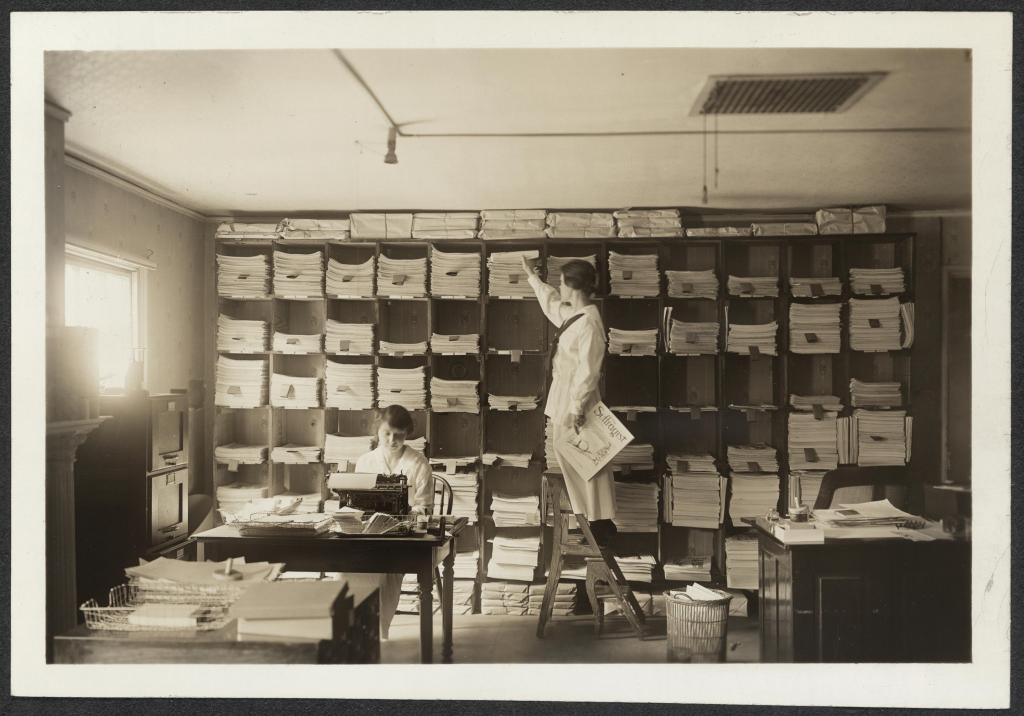
Despite a renowned career as a writer and activist, Upton Sinclair lacks a museum in his honor. His home in California would make an ideal house museum. His biographer reflects on Sinclair's legacy, the importance of public history sites, and the role of historic homes in shaping public memory.
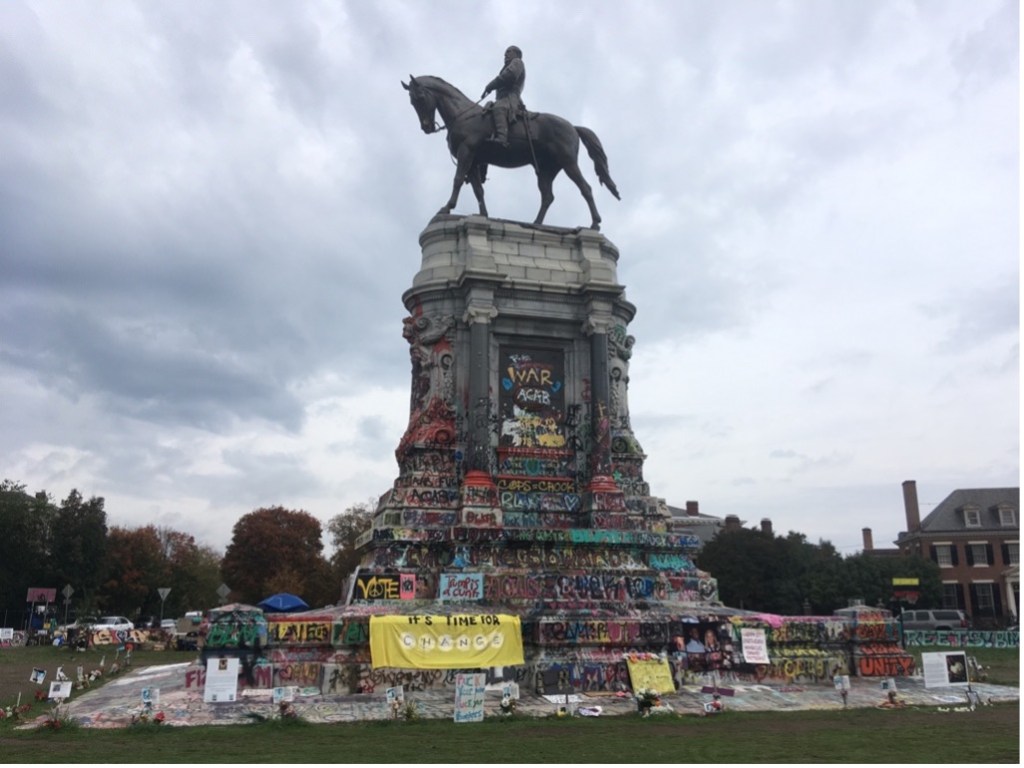
Rewriting the Past in Public: Historical Commissions and Public History
Historical commissions function as state-sponsored public history initiatives that negotiate contested national pasts.
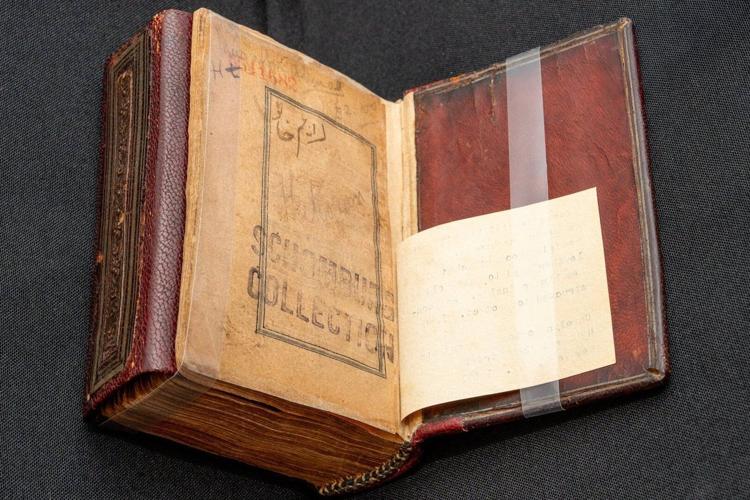
Mayor Mamdani, the Schomburg Collection’s Qur’an, and Schomburg’s Vision of Afro-Diasporic History
Mayor Mamdani’s use of a Quran from Schomburg’s collection [...] embraces the Afro-diasporic history and identity that Arturo Schomburg strove to create through his archive-building and auto/biographical writing.
“Making New History” with Old Tools: The Coloniality of Method in (Post-)Colonial Historical Commissions
Even well-intentioned efforts at historical reckoning can reproduce epistemic harm when they rely on unexamined disciplinary assumptions.
Call for Papers | History Beyond the Classroom: Undergraduate Mentorship in the 2020s
We invite innovative instructors who teach history beyond the conventions of the classroom and meet the challenges of the moment to contribute to the "History Beyond the Classroom" series .
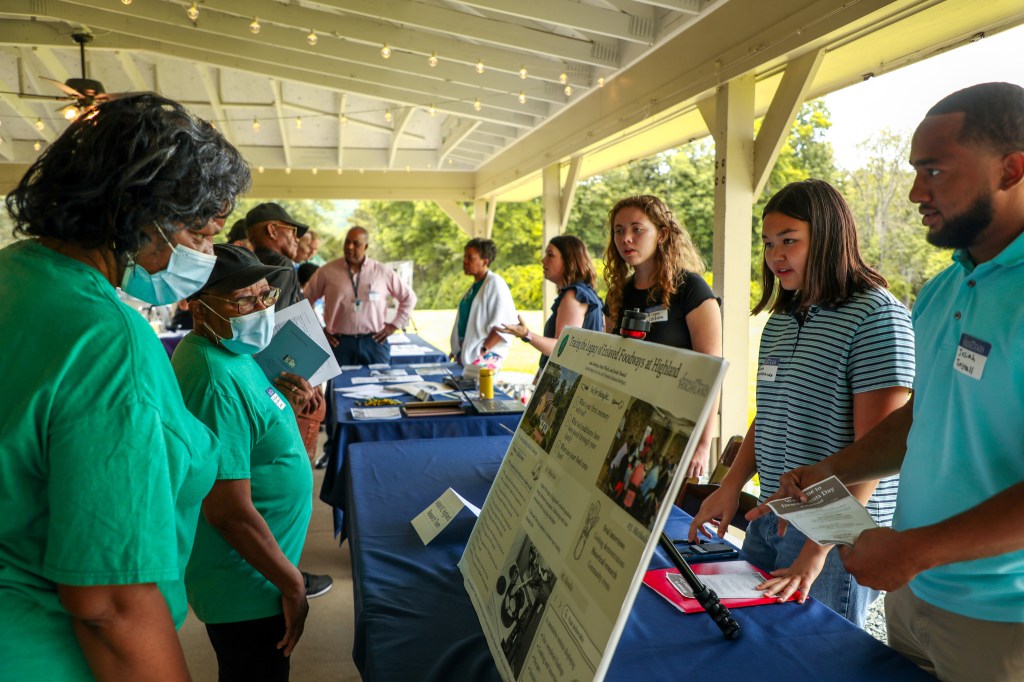
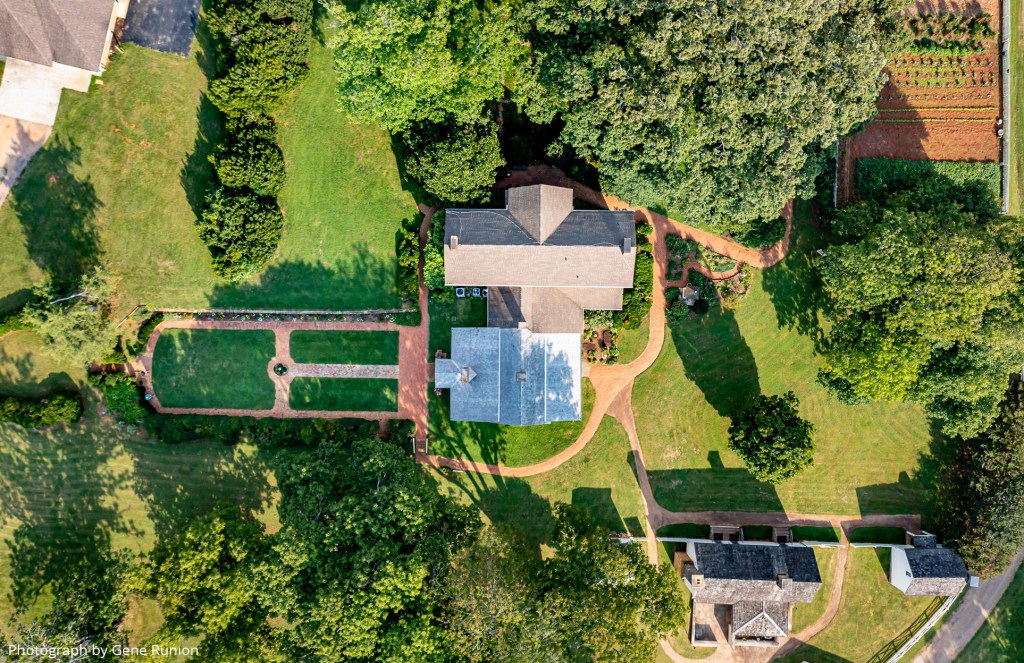
Engaging Different Communities of Stakeholders at James Monroe’s Highland
Working at a public history site is a reminder that no community is monolithic or similar-minded. Even at James Monroe's Highland more localized communities are composed of diverse needs, questions, and missions.
Reinterpreting James Monroe’s Highland
We are always learning new things about the past, and that's good. As we learn more, we are also obligated to share these new discoveries to our public. That is currently what we are doing at James Monroe's Highland: telling new, more truthful stories about a place with a complicated historical and institutional history.
Business of History—Syllabus
The Business of History syllabus challenges students to merge the often creative, open-ended nature of academic inquiry with the outcomes-oriented and deadline-driven world of business.
Global Human Rights and Memory in the Public History Classroom
Teaching about historical and public memory should challenge students to think and interpret outside the classroom. This course empowered students to serve as producers of their own sites of memory.
HIST 211: Post-1945 United States Memory and Human Rights—Syllabus
This course explores historical "happenings" and their interpretations after 1945 with a heightened focus on if/how the United States has maintained, strengthened, and perpetuated its image of global excellence.