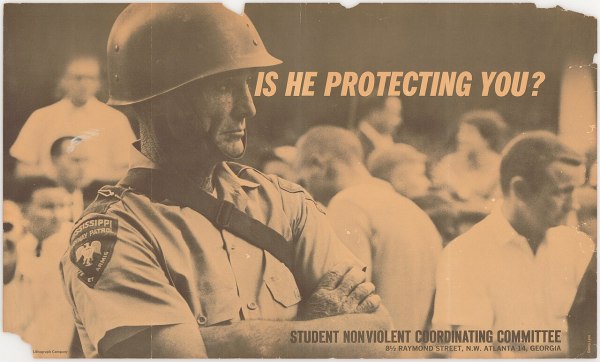
This month marks the 50th anniversary of Martin Scorsese's Taxi Driver. Like many Vietnam War-era films, Taxi Driver contains historical truths but also reinforces deeply problematic myths about veterans, homecoming, and trauma.
Before Norman and After Norman: The Impact of All in the Family on American Television
Fifty-five years ago this month, All in the Family debuted, launching a transformation of the American sitcom.
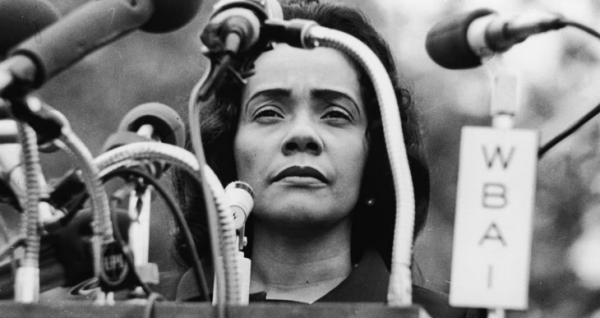
“I Was Called, Too:” The Life and Work of Coretta Scott King
In honoring Dr. Martin Luther King Jr.’s legacy, it is both appropriate—and overdue—to discuss the significance of Coretta Scott King. When Coretta declared, “I was called, too,” she insisted we remember her not as a shadow of her husband, but as an equal.
History of Indoctrination in the United States and Florida—Syllabus
In 2023, UF president Dr. Ben Sasse called for "less indoctrination" of students by their professors. This course explores the historical debates over indoctrination to understand how such undue influences may have threatened or seemed to threaten freedom of thought, personal autonomy, and self-determination—the touchstones of liberal democracy.
What are Comps?
Comprehensive Exams, or 'Comps,' can be confusing and intimidating for graduate students, but the first step to conquering Comps, and the fear they elicit, is to understand what they are, what they are designed to test, and how they work.
The Industry that Stayed: How Meatpacking Remained Domestic
As the Trump administration calls for the return of domestic manufacturing, there is one industry that managed to resist the outsourcing process of the late 20th century. It only required the destruction of its labor unions.
“Don’t Kill Big Bird” — The Trump Administration’s Showdown with PBS and NPR
In 1995, Democrats held up a Big Bird doll to laud the importance of children’s television and save public broadcast funding. This strategy does not seem likely to work in 2025.
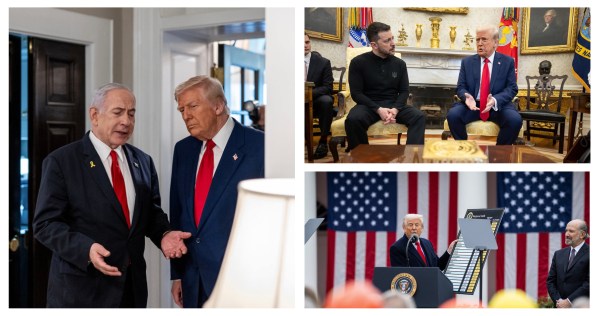
The First 100 Days of Trump 2.0: A Foreign Policy Assessment
The first 100 days of President Trump's second term marks a departure from established US foreign policy, focusing on dismantling international aid and agreements. His administration’s actions, including cuts to USAID and skepticism toward NATO, jeopardize global partnerships. Trump's approach favors unilateralism and transactional relations over multilateral cooperation, risking America's leadership and security in an increasingly authoritarian world.
Trump Proposes Bracero Program 3.0
Trump has floated the idea of creating a new category of (im)migrant worker to deal with the labor shortages caused by his own deportation program. This type of program has a long history in the United States. What Trump is proposing is a rerun of an old policy that attempts to codify white supremacy by solidifying Anglos at the top of society with a permanent (im)migrant underclass to make the economy hum for the benefit of the wealthy.
“To Root Against Your Country”: Crisis, Dissent, and Patriotism Under Nixon and Trump
While the realities of 2025 are in some ways unprecedented, Americans have felt this way before. The history of the late 1960s–early 1970s—assassinations, the Vietnam War, the Nixon presidency—reminds us that previous generations pushed back against what felt like insurmountable challenges.