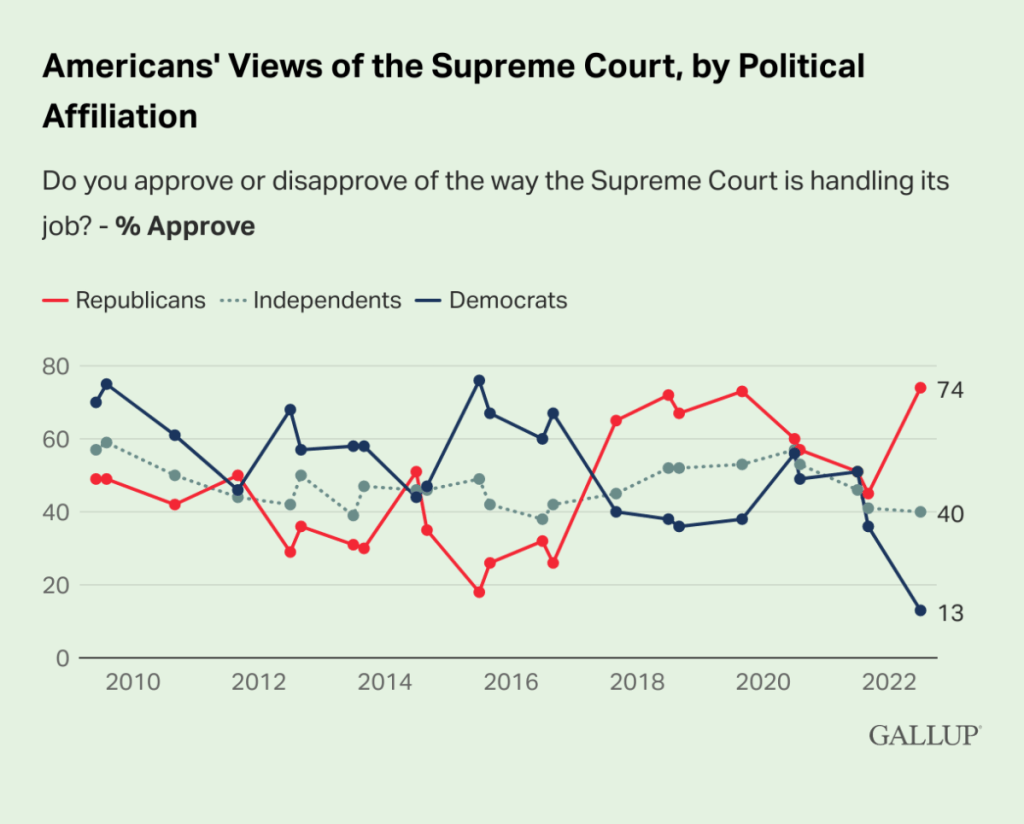
The United States has almost always been a very politically divided nation. Conservative majorities on the Supreme Court are mistakenly viewed as unique to recent years, but they are really the norm in American history. So too is political polarization the norm.
Biden v. Trump: Parallels with the Past?
Disaffected Americans living in today’s era of wealth inequality may turn to someone new as they did in the past if both Biden and Trump are nominated by their respective conventions this summer, as presumed.
Game Schedule—After a Long Battle: Congressional Response to the AIDS Epidemic, 1982–1985
See how to schedule and organize a Reacting to the Past Game, with examples from After a Long Battle: Congressional Responses to the AIDS Epidemic, 1982-1985.
History of Illness and Medicine in America: Pandemics—Syllabus
This course surveys the history of illness and medicine in the US with a focus on viral pandemics, the developments of treatments and prevention, and the experiences of patients, families, medical professionals, researchers, activists, and politicians.
Reacting to the Past: Using Historical Games in College Classrooms
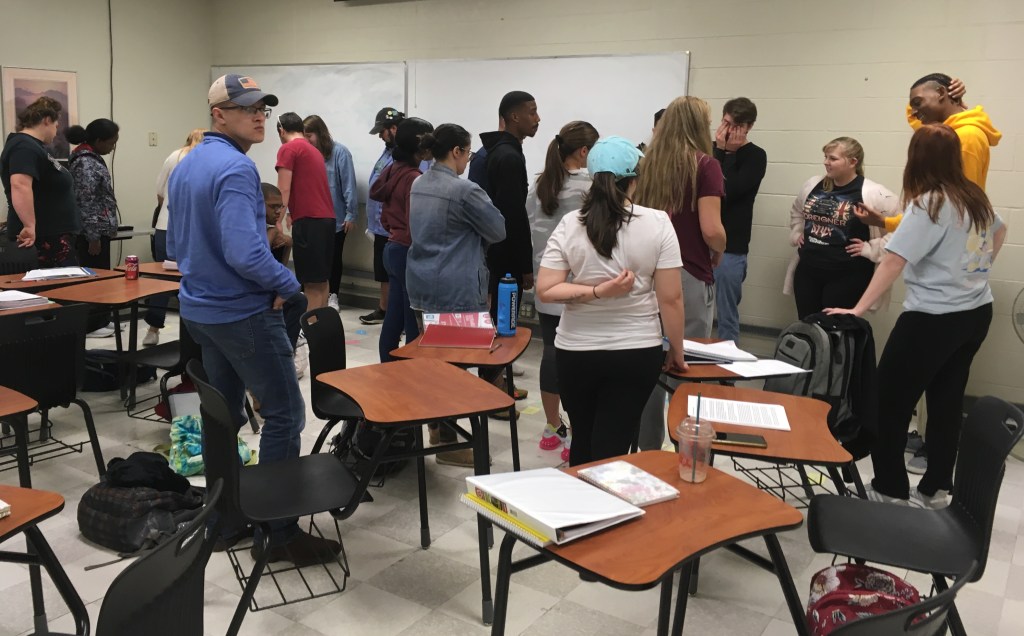
Interested in adding a historical game to your history class but don't know where to start? Adding a Reacting to the Past game can be a great way to engage students and delve into specific historical events.
Engaging Different Communities of Stakeholders at James Monroe’s Highland
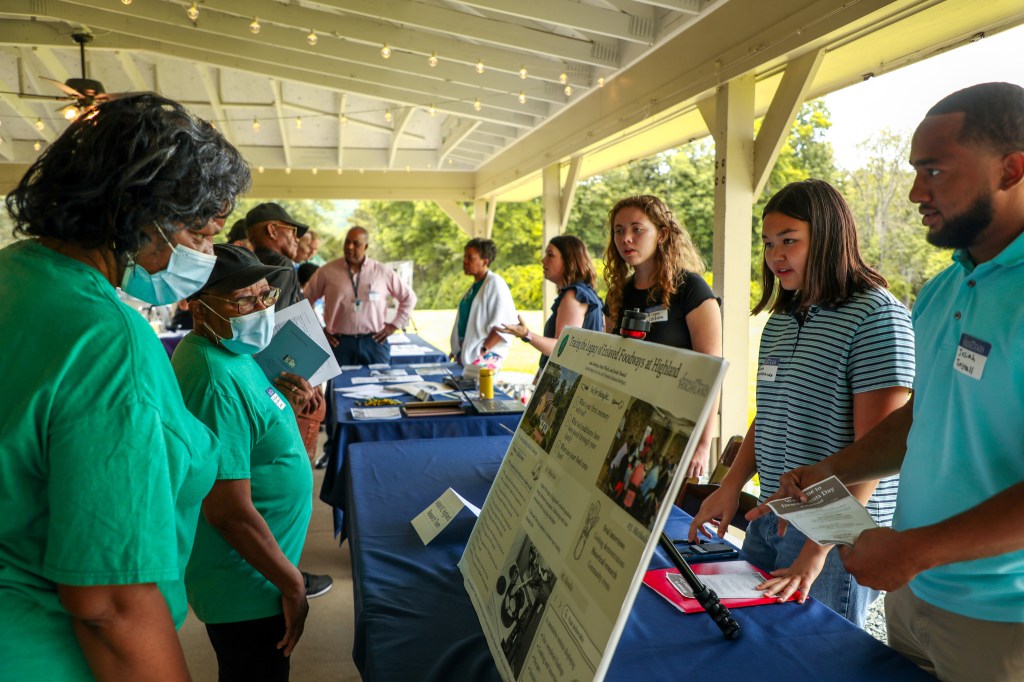
Working at a public history site is a reminder that no community is monolithic or similar-minded. Even at James Monroe's Highland more localized communities are composed of diverse needs, questions, and missions.
The History of Hip-Hop Culture in America—Syllabus
This course traces hip hop culture's emergence and development in the United States and globally from the 1970s to the present. With a strong emphasis on rap music, the course investigates the culture's intersections with local, urban, and regional histories, as well as technology, politics, capitalism, race, gender, sexuality, and class.
Global Human Rights and Memory in the Public History Classroom
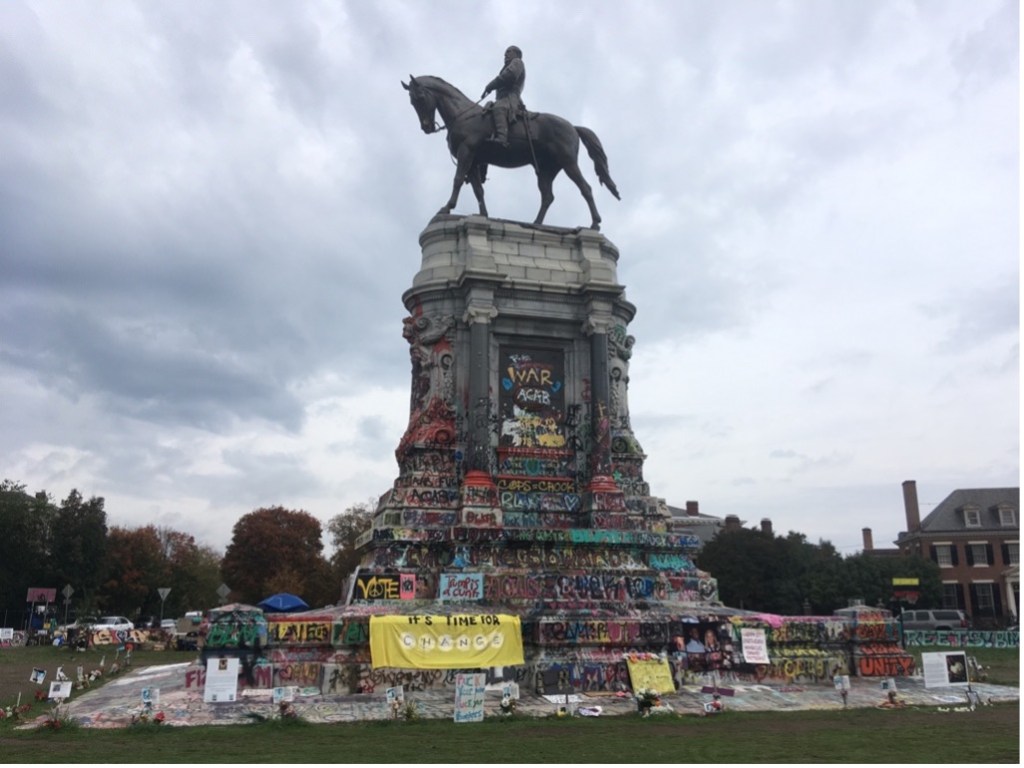
Teaching about historical and public memory should challenge students to think and interpret outside the classroom. This course empowered students to serve as producers of their own sites of memory.
HIST 211: Post-1945 United States Memory and Human Rights—Syllabus
This course explores historical "happenings" and their interpretations after 1945 with a heightened focus on if/how the United States has maintained, strengthened, and perpetuated its image of global excellence.
America in the 1990s—Syllabus
This course traces the history of the United States during the 1990s. It pays particular attention to the politics of the era, as well as the cultural texts (songs, films, and other phenomena) that both reflected and shaped the period.