Teaching about historical and public memory should challenge students to think and interpret outside the classroom. This course empowered students to serve as producers of their own sites of memory.
HIST 211: Post-1945 United States Memory and Human Rights—Syllabus
This course explores historical "happenings" and their interpretations after 1945 with a heightened focus on if/how the United States has maintained, strengthened, and perpetuated its image of global excellence.
America in the 1990s—Syllabus
This course traces the history of the United States during the 1990s. It pays particular attention to the politics of the era, as well as the cultural texts (songs, films, and other phenomena) that both reflected and shaped the period.
How to Get Students to Read Like Historians with Perusall
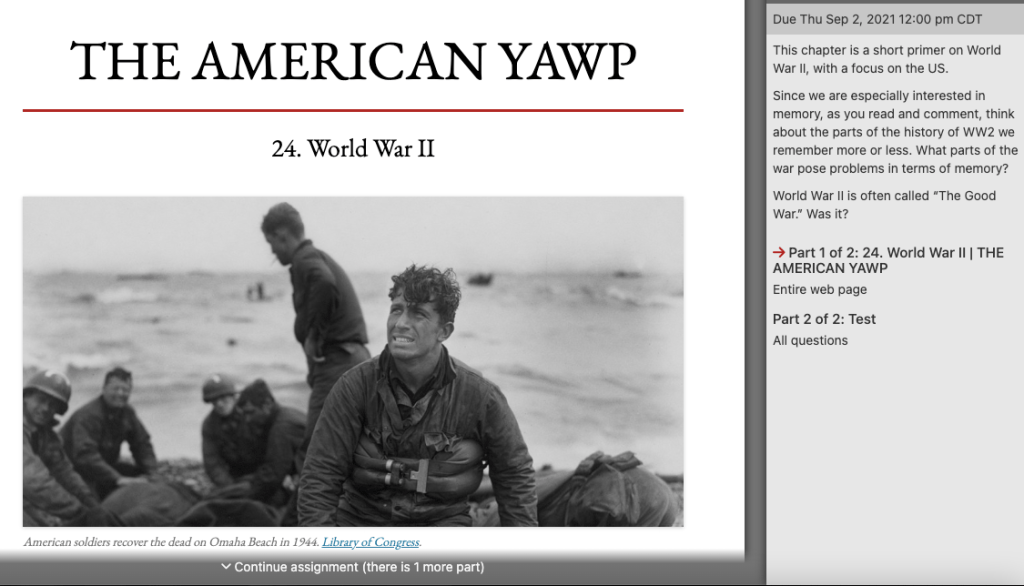
For history courses, Perusall is an especially useful tool because it can guide students through different types of sources and modes of reading.
A Beginner’s Guide to the Perusall Assessment
Perusall is an online social annotation tool that aims to increase student engagement with course materials. Here is a quick guide to setting up your course with a discussion of assignment options and some suggestions for how to help students make the most of it.
How to use ChatGPT in the history classroom
Historians shouldn’t ban ChatGPT from the classroom—we should embrace it.
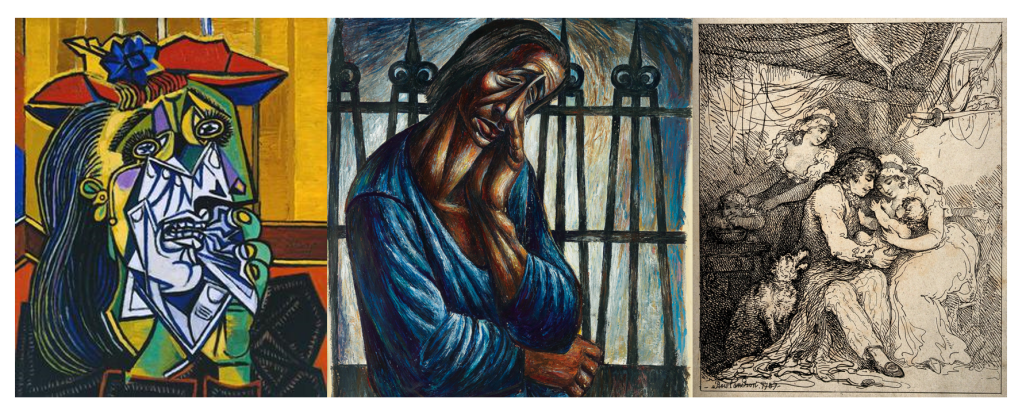
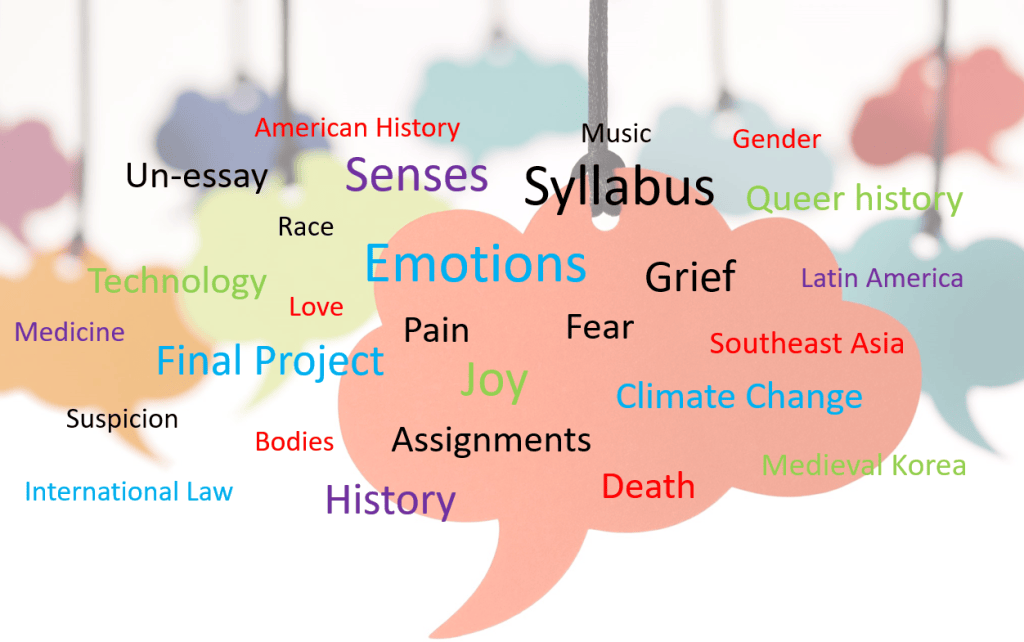
History of Emotions & Senses—Syllabus
This course introduces students to the history of emotions and senses. Students explore theories and methods for studying emotions in history, as well as scholarship on emotions or senses in specific historical contexts.
Syllabus Final Project
This final project asks students to conceptualize and design an undergraduate course related to the study of emotions. This “un-essay” assignment gives students the opportunity to analyze emotions in relation to a topic of their own choosing and to engage with their own learning process by reflecting on how syllabi shape the way we learn about history.
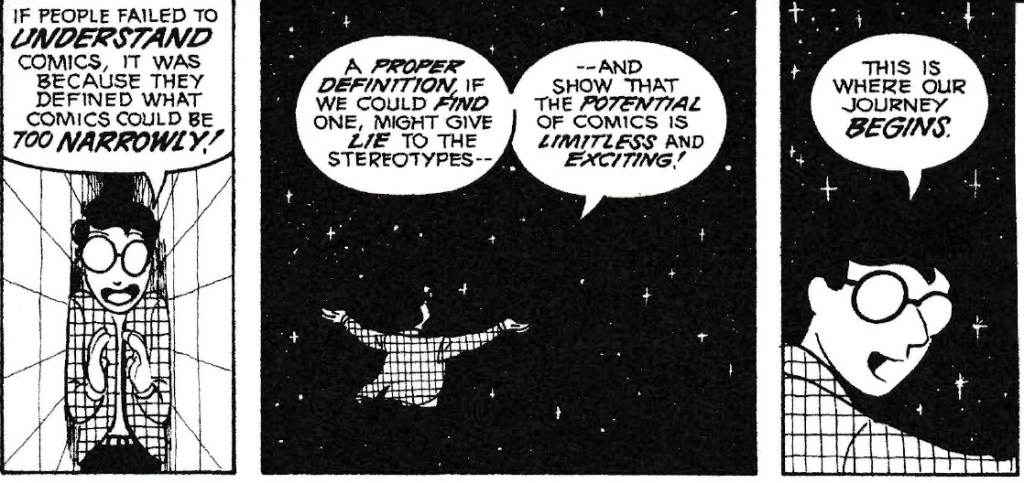
HIST 4806: History Through Graphic Novels—Syllabus
This course uses graphic novels to think about the past and considers how the visual medium can reveal new understandings of familiar historical events. Students examine graphic novels alongside archival materials to analyze and interpret complex and difficult stories of war, trauma, slavery, social protest, sexuality, citizenship, and civil rights.
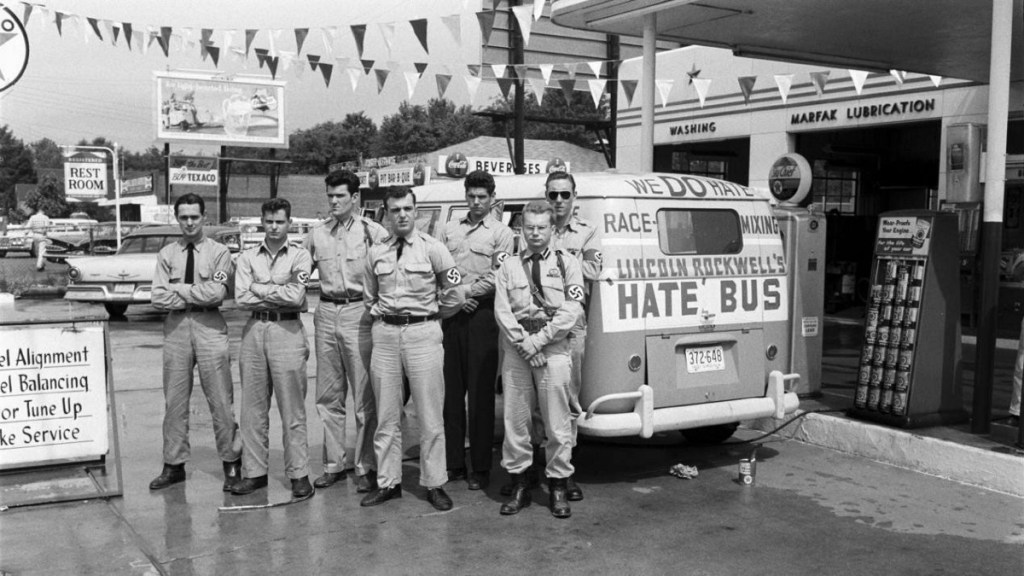
Extremism in the United States: From the Ku Klux Klan to January 6—Syllabus
This course provides a historical overview of extremism in the United States from Reconstruction through the present. Students will explore primary sources ranging from political pamphlets to diaries, religious tracts, government records, and films, alongside scholarly literature, to equip them with a foundational knowledge of the history of extremism in the US during the long twentieth century.