In popular culture and American historiography, the railroad corporation has long been a site where Americans have grappled with larger questions of political economy.
Strikers, Octopi, and Visible Hands: The Railroad and American Capitalism

The past is present
In popular culture and American historiography, the railroad corporation has long been a site where Americans have grappled with larger questions of political economy.

What do the reactions to Lizzo's September 2022 visit to the National Archive say about access to public services? We have work to do if we want to keep saying libraries are welcoming spaces, and a radical librarian from the 1930s gives us a place to start.
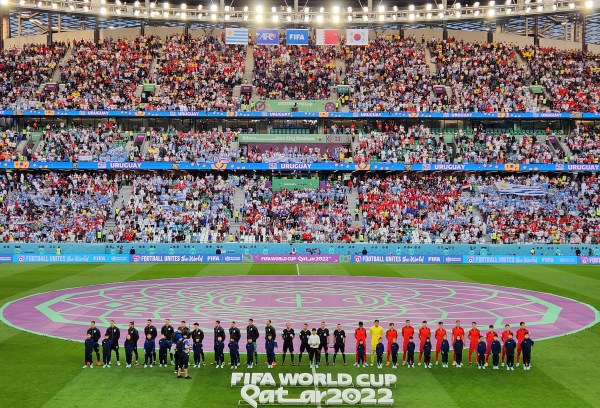
The 2022 FIFA World Cup in Qatar has faced unprecedented criticism due to allegations of corruption and wide scale human rights abuses in the country in the lead up to the tournament. Criticism of Qatar must be seen in the wider historical context of corruption and "sportswashing," which reveals that global sporting bodies are inherently political despite claims of being apolitical.
A controversy over comments by the president of the American Historical Association reveals deeper truths about the challenges historians face.

A guide for interviewees at teaching-focused history programs.

History and prior political science research forecast a dismal 2022 midterm for Democrats. However, Donald Trump, the consequences of his presidency, and his chosen candidates dragged the Republicans down.

Any history dissertation requires support, particularly financial support. This resource list includes dissertation research grants, dissertation completion fellowships, and dissertation prizes that are available in a variety of regional and thematic subfields.

The link between monarchy and empire is real; hopefully it won't become just the latest story about royals behaving badly.

This course uses graphic novels to think about the past and considers how the visual medium can reveal new understandings of familiar historical events. Students examine graphic novels alongside archival materials to analyze and interpret complex and difficult stories of war, trauma, slavery, social protest, sexuality, citizenship, and civil rights.
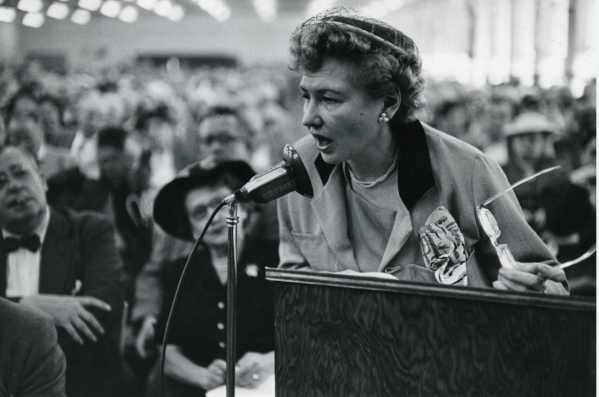
Wilma Soss emerged from the midcentury zeitgeist because she had the right experience and contacts to champion stockholder rights.
 Clio and the Contemporary