The Force of Sound: Listening after 9/11

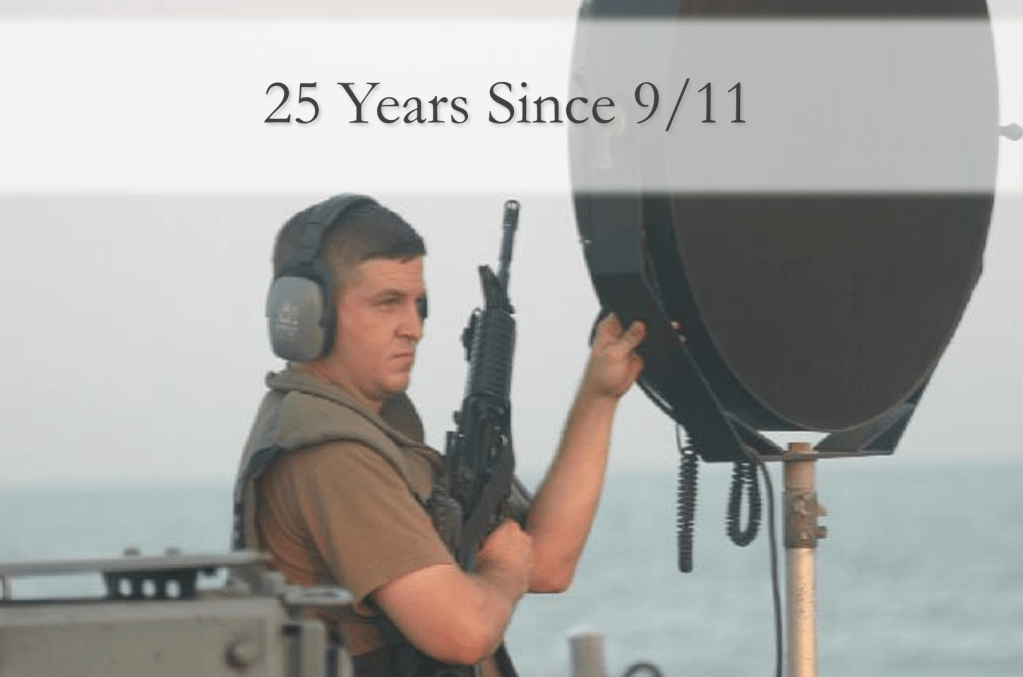
In the immediate aftermath of the 9/11 attacks, radio programmers worried about what music might mean to listeners. In the years that followed, the US military and other state authorities began to treat sound as a tool that could be used to disorient, exhaust, injure, and coerce, leveraging sound as a physical and painful coercive force.

From Counterterrorism to Content Moderation: How the War on Terror Shaped Online Political Discourse

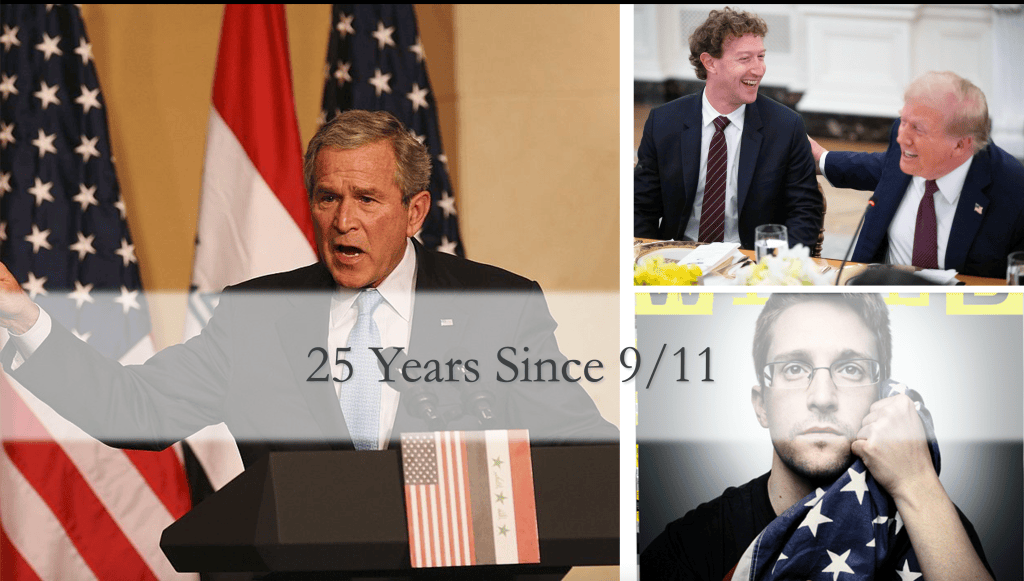
The post-9/11 War on Terror produced legal and technical infrastructure designed to monitor communications and suppress terrorist propaganda. Meta's content moderation practices, shaped by post-9/11 counterterrorism policies, have led to collateral censorship that conflates legitimate political discourse with support for terrorism, undermining freedom of expression globally.

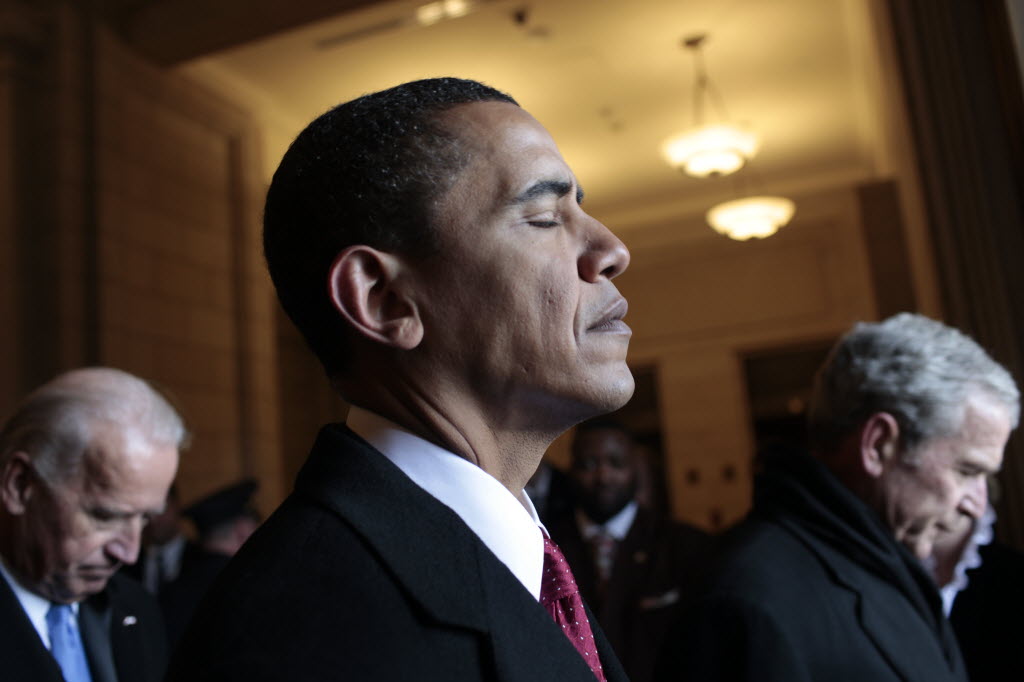
“Get That Son of a Bitch Off the Field”: The National Anthem, Performative Patriotism, and the Legacies of 9/11

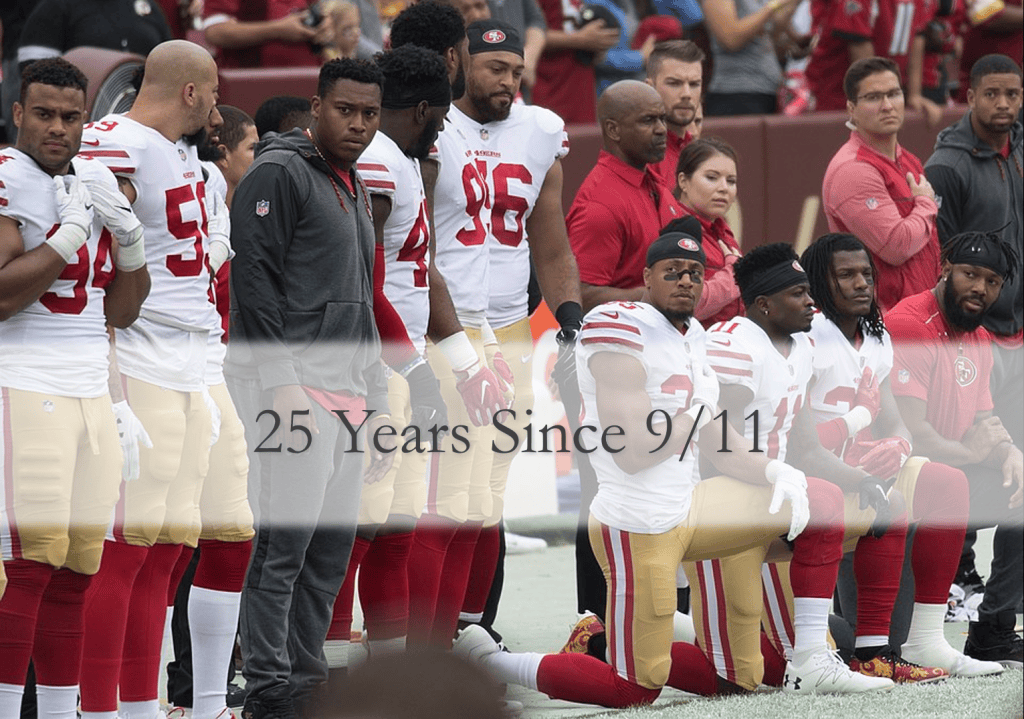
Years before Colin Kaepernick’s dissent, the national anthem had become wrapped up in US cultural politics, a phenomenon that 9/11 exacerbated. In the wake of September 11th, Americans rallied around the flag in ways that at first seemed natural and inspiring, but almost immediately became performative and enveloped in the roiling divisiveness that has come to characterize 21st-century America.

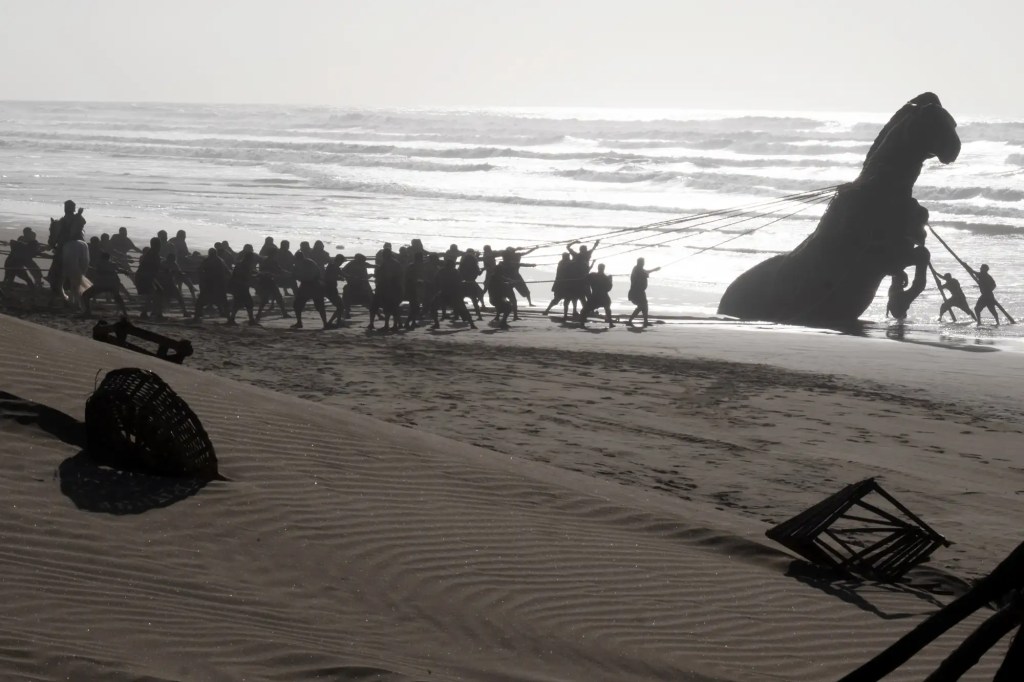
Film Response for Wall-E

In this assignment for the course "The 2000s," students write a response to the 2008 film Wall-E. The assignment asks them to consider the film's messages about key early 21st-century issues, including technology and the environment.

The 2000s—Syllabus

This course is a survey of US History from 2000 to 2015. It examines the US through political, social, cultural, economic, and diplomatic lenses. Students will learn about major historical developments, including the War on Terror, culture-war battlegrounds, neoliberalism, and the expansion of the Internet.

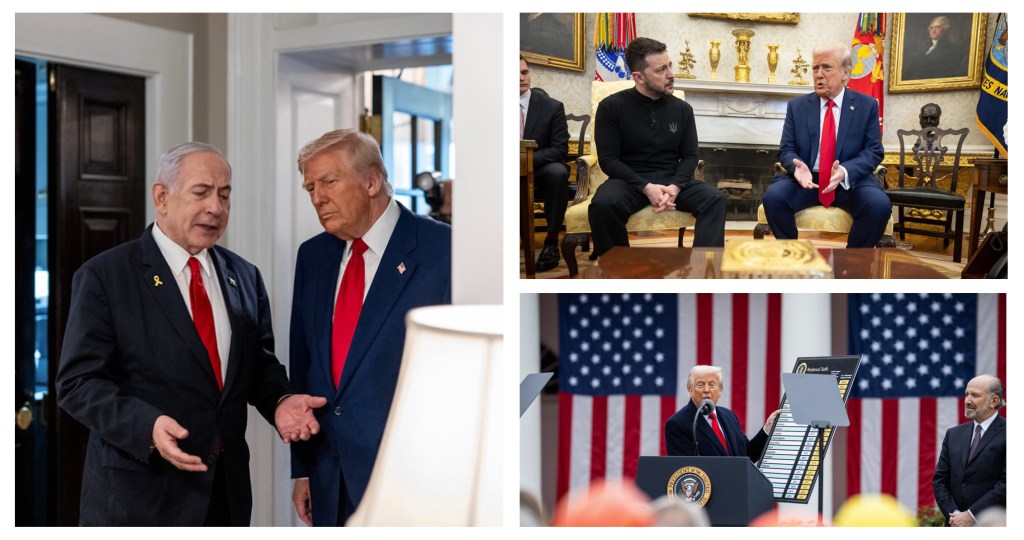
The First 100 Days of Trump 2.0: A Foreign Policy Assessment

The first 100 days of President Trump's second term marks a departure from established US foreign policy, focusing on dismantling international aid and agreements. His administration’s actions, including cuts to USAID and skepticism toward NATO, jeopardize global partnerships. Trump's approach favors unilateralism and transactional relations over multilateral cooperation, risking America's leadership and security in an increasingly authoritarian world.

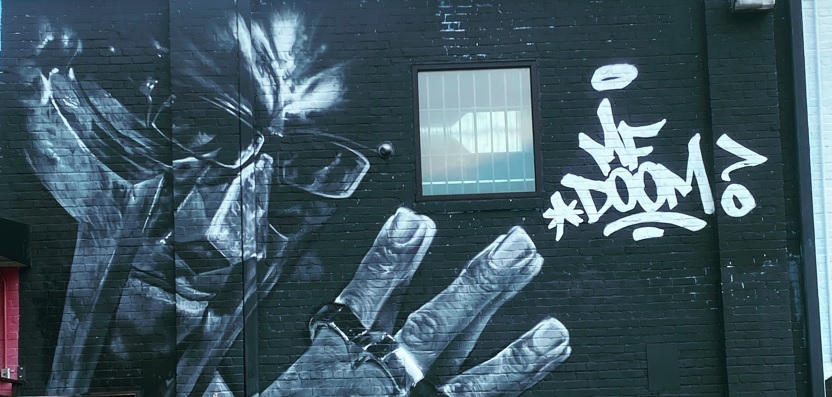
The History of Hip-Hop Culture in America—Syllabus

This course traces hip hop culture's emergence and development in the United States and globally from the 1970s to the present. With a strong emphasis on rap music, the course investigates the culture's intersections with local, urban, and regional histories, as well as technology, politics, capitalism, race, gender, sexuality, and class.

Website Built with WordPress.com.

Up ↑